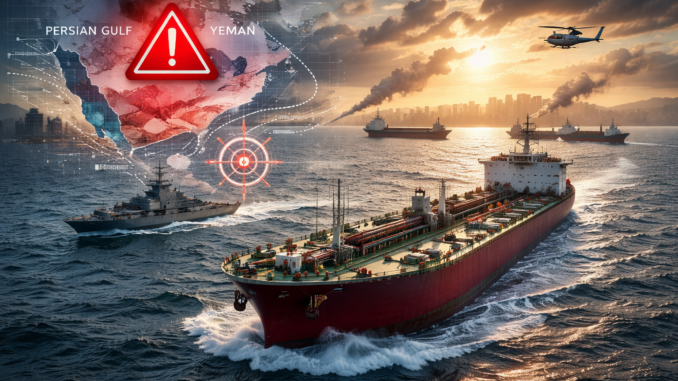
The global insurance market is facing renewed pressure as war risk insurance premiums surge sharply due to escalating tensions in the Middle East. Shipping companies operating in sensitive maritime regions—especially around the **Persian Gulf and Red Sea shipping corridors—are now paying significantly higher insurance costs to protect vessels and cargo from potential attacks or conflict-related risks.
Industry experts say the sudden spike in premiums reflects growing concerns among insurers about geopolitical instability and the increased likelihood of maritime incidents.
What Is War Risk Insurance?
War risk insurance is a specialized type of coverage that protects ships, cargo, and crews against damage or loss caused by events related to war or conflict. This includes risks such as:
Missile or drone attacks
Naval blockades
Seizure of ships
Terrorism or piracy linked to armed conflict
Normally, standard marine insurance policies exclude these risks. As a result, shipping companies must purchase additional war risk coverage when operating in high-risk zones.
Insurance Costs Rising Dramatically
According to shipping and insurance market analysts, war risk insurance premiums for vessels traveling through parts of the Middle East have increased dramatically in recent weeks.
In some cases, the cost of coverage for a single voyage has multiplied several times compared with normal conditions. Some reports suggest that premiums for certain routes have increased by several hundred percent, reflecting the heightened risk perception among insurers and reinsurers.
These higher premiums are already affecting shipping operators and cargo owners, particularly those transporting oil, liquefied natural gas, and other critical energy commodities.
Impact on Global Energy and Trade
The rise in maritime insurance costs could have broader economic consequences. The Persian Gulf and nearby waterways remain among the most important shipping routes in the world, transporting a large share of global energy supplies.
If insurance costs remain high, shipping companies may pass these additional expenses on to customers. This could lead to:
Higher energy transportation costs
Increased prices for imported goods
Disruptions to global supply chains
Some shipping companies are already reconsidering certain routes or implementing additional security measures to reduce risk exposure.
Reinsurers Monitoring the Situation Closely
Global reinsurers—companies that insure the insurers—are also closely monitoring developments in the region. Reinsurance firms play a crucial role in spreading risk across the global insurance market, especially for high-value maritime assets.
If geopolitical tensions continue to rise, reinsurers may limit their exposure or increase pricing further, which would push premiums even higher for shipping companies.
A Reminder of Geopolitical Risk in Global Trade
The recent surge in war risk insurance premiums highlights how geopolitical conflicts can quickly impact global trade and financial markets. Shipping routes that once appeared stable can rapidly become high-risk areas, forcing insurers and shipping operators to reassess risk calculations.
For insurers, the situation underscores the importance of advanced risk modeling and close monitoring of global political developments. For businesses dependent on global supply chains, it serves as a reminder that geopolitical stability plays a critical role in keeping trade flowing smoothly.
As tensions evolve, the insurance industry will continue to adjust pricing, coverage terms, and risk assessments to reflect the changing global security environment.
Leave a Reply